
Situation
Silverpeaks Inc is a U.S. premium consumer-goods brand selling through Amazon and a direct-to-consumer Shopify storefront. Heading into 2026 they were running FBA prep through one regional partner and DTC fulfillment through a second — paying two minimums, reconciling two sets of inventory, and coordinating two separate handoff points whenever a SKU moved between channels.
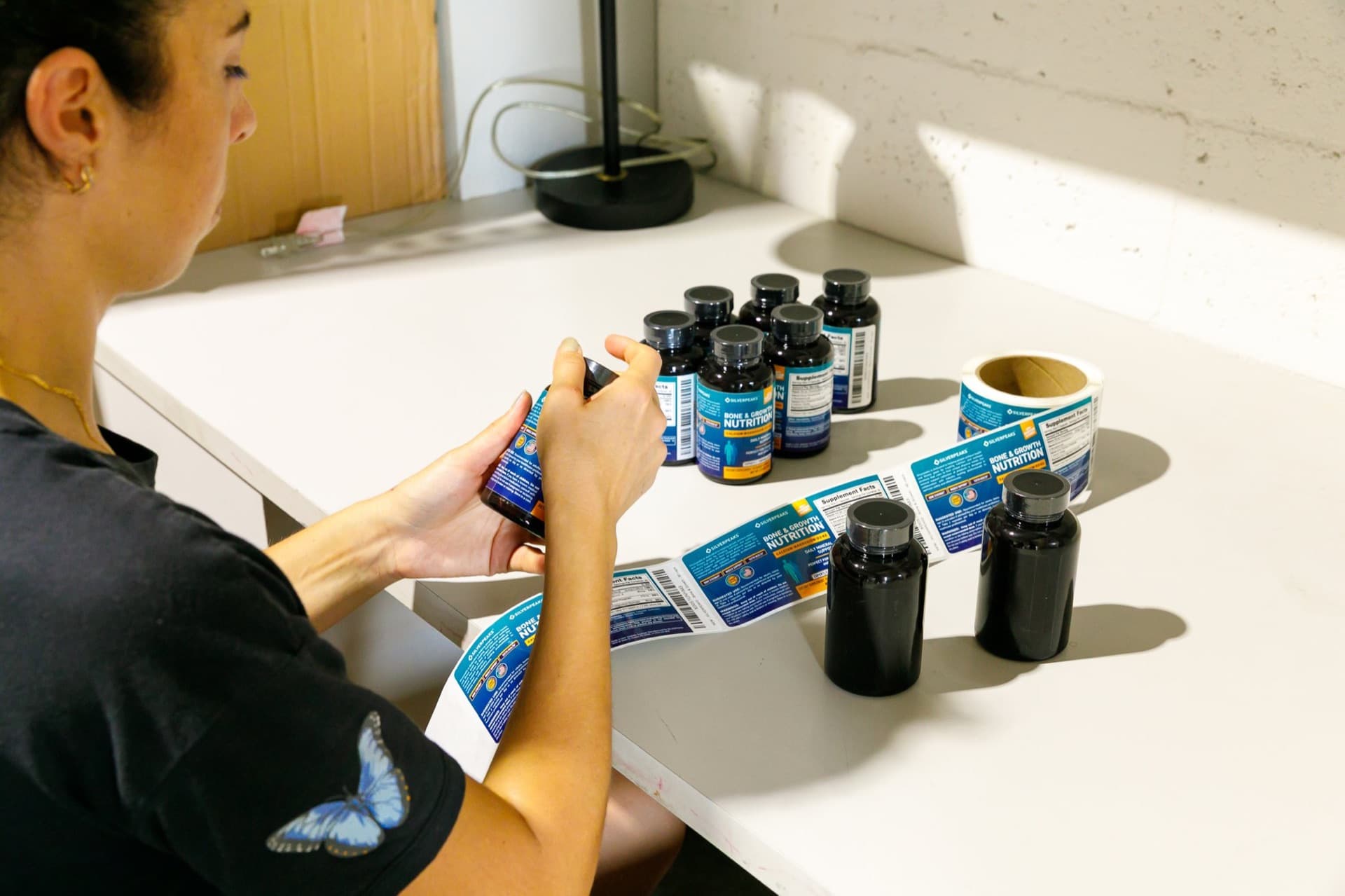
When their FBA partner raised per-unit prep rates in Q1, Silverpeaks treated it as the trigger to consolidate. They scoped three South Florida operators side-by-side and signed with SunPort in early 2026. Silverpeaks consented to be named on this case study; operational specifics are paraphrased where they touch the brand's commercial information.
What they needed
The Silverpeaks ask had a clear three-part shape:
1. A single partner for Amazon and DTC. One inbound, one inventory pool, one team handling the per-channel outbound logic — not two relationships to manage. 2. A standing kitting capability. A meaningful share of their Amazon revenue comes from multi-pack listings, so kitting and bundling needed to be a baseline service rather than a special project. 3. Predictable per-unit cost. They had been quoted bespoke rates from a competitor that they couldn't model forward — they wanted a published à la carte schedule they could plug into their finance model.
The brand was also explicit that they wanted "no surprises on the first invoice" — so the per-unit rates, the monthly minimum, and the eco-packaging line items all had to be stated before any inventory moved.
What we did
We signed Silverpeaks under our standard Warehouse Services Agreement, with the same Schedule A rate card we publish on the Services page. They onboarded across roughly two weeks:
Week 1 — receiving and inventory setup. SKU master loaded into the WMS, including the bundle/kit recipes for each multi-pack listing (component FNSKU, child quantity, packaging material). First inbound LTL pallet shipment received against the supplier packing list; receiving report and photos pushed the same day.
Week 2 — kitting line + first outbound cycles. Dedicated kitting station configured for the brand's two highest-velocity multi-pack SKUs. We ran a small Amazon inbound batch first, confirmed clean check-in at the FC, then enabled the DTC channel and the rest of the inbound flowed into a normal weekly cadence.
Operationally, the work breaks down on Schedule A like this:
- Receiving — LTL pallet shipments at $10 per standard pallet; palletization, barcode check, and inventory entry included.
- Storage — pallet storage at $18 per pallet per month, with overflow priced per the schedule.
- Kitting — $1.50 per unit kitted, using component inventory drawn from the same pool that feeds Amazon prep.
- FBA prep + outbound — FNSKU labeling at $0.30 per unit, packing at $1.50 per order, shipping handling at $15 per LTL pallet for Amazon inbound.
- DTC — pick at $3.50 first item / $0.40 each additional, parcel handling at $1.50 per order. Carrier charges (UPS, USPS) pass through at cost.
- Inventory management — $2 per SKU per month managed inventory, plus a quarterly cycle-count cadence ($2 per SKU). They opted out of a full audit; the cycle-count log substitutes for it.
The monthly minimum ($500–$1,000 depending on volume) was stated in Schedule A from day one — no escalation, no "we'll figure it out at month-end" framing.
How it runs now
Amazon inbound runs weekly on LTL pallets to the FC network they're allocated to. DTC parcels ship daily, UPS Ground for most of the SKU mix and USPS Priority for the smaller-format items. The kitting line is permanent; bundle recipes can be added or revised by sending a written change request, with the change carried into the WMS within one business day.
Billing follows the standard cadence in our published rate card: storage in advance, fulfillment in arrears, Net 30 from invoice date. Reporting is a single monthly statement plus the cycle-count log when it runs.
The shape Silverpeaks asked for — one partner, one rate card, one inventory pool — is exactly what consolidation under a single 3PL is supposed to deliver, and it's what the public Schedule A is designed to make possible without a custom contract. If you're running the same multi-channel split today, scope it the same way: start from the published rate card, tell us your monthly receive volume and channel split, and we'll send a quote against it within one business day.